What's Included in Peconic
- Attic Mold Cleanup
- Mold Inspection
- HEPA Air Filtration
- Air Quality Testing
- Basement Mold Cleanup
- Content Cleaning
- Moisture Source Location
- Containment Setup
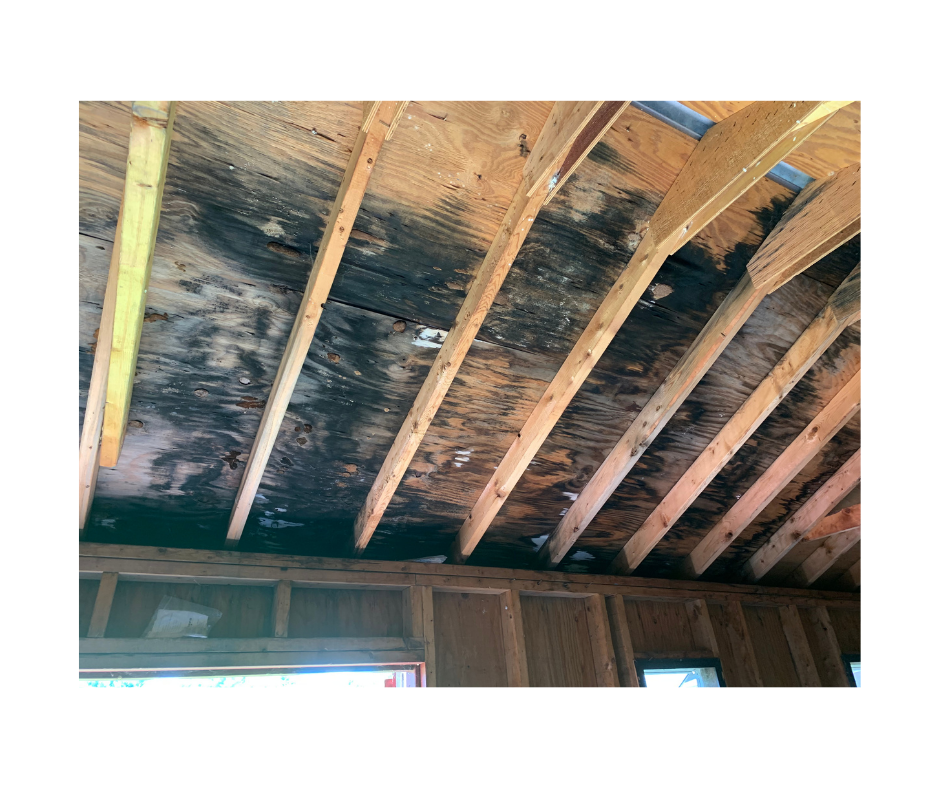
Mold remediation in Peconic starts with finding the moisture behind the growth, then containing and removing it. Restoration referral service — calls connect you with a licensed, insured, IICRC-certified local crew.
Call 516-549-0351
Peconic (11958), on the North Fork, borders or sits near Cutchogue, Mattituck and New Suffolk. Wet materials left behind after bay flooding are a common source of mold on the North Fork.
Many East End houses are empty for months, which gives mold time to grow unnoticed. Between the Sound and Peconic Bay, humid air keeps materials damp longer. Stone cellars and older masonry foundations wick moisture, so cellar walls can stay damp without an obvious leak.
Knowing these local patterns helps crews in Peconic check the likely hiding spots, not just the visible staining.
Crews also serve nearby Cutchogue, Mattituck and New Suffolk. Crews also handle water damage in Peconic and fire and smoke damage in Peconic.
Moisture mapping and targeted testing help locate mold that isn't visible.
It shouldn't if the moisture source is corrected. Remediation pairs removal with drying and moisture control.
Flood-soaked materials are a leading cause of mold, which is why quick extraction and drying matter after any bay or harbor flooding.
Yes. Closed houses with no airflow or dehumidification can grow mold quickly, especially in humid weather.
Persistent dampness is the root cause, often from leaks, humidity, or incomplete drying after a water event.